Learn how to make a website for free on Google in 2025. Step-by-step guide to create and publish your site without spending a dime.
Introduction
Websites play a crucial role in enhancing business visibility and credibility in today’s digital age.
A well-designed and informative website can attract potential customers and provide them with essential information about the products or services offered. It also serves as a platform to showcase the company’s expertise, achievements, and customer testimonials, which can build trust and credibility among visitors.
Additionally, a professional website with a user-friendly interface and engaging content can help businesses stand out from their competitors and establish a strong online presence. Overall, websites are essential for businesses to increase their visibility and credibility in the digital marketplace.
The target audience for this content primarily consists of individuals who are keen on staying informed about the latest advancements. This includes tech enthusiasts, industry professionals, and decision-makers who rely on current data to drive innovation and strategic planning.
Additionally, educators and students in fields related to technology, business, and data science may find this information valuable for academic purposes and research. By catering to a diverse group with a shared interest in cutting-edge developments, the content aims to provide insights that are both relevant and actionable.
Embarking on the journey of creating your first website can be both exciting and daunting, but with the right approach, it can become a rewarding experience.
As a beginner, start by defining the purpose of your website and the audience you wish to reach. Choose a user-friendly platform like WordPress or Wix that offers intuitive drag-and-drop features, allowing you to focus on design without needing extensive coding knowledge.
Take advantage of online tutorials and community forums to learn tips and tricks from seasoned developers. Remember, simplicity is key; prioritize clean design and easy navigation to enhance user experience. With patience and creativity, you’ll soon have a digital space that reflects your vision and serves your goals.
Understanding the basics of website creation is akin to learning a new language that opens up a world of digital possibilities.
At its core, it involves grasping the fundamental building blocks such as HTML for structure, CSS for styling, and JavaScript for interactivity. These elements work in harmony to create visually appealing and functional websites.
Additionally, understanding the principles of responsive design ensures that websites are accessible and user-friendly across various devices. As you delve deeper, you’ll encounter tools like content management systems and web hosting services that simplify the process, allowing even beginners to craft their own corner of the internet.
Embracing these basics not only empowers you to build your own digital presence but also enhances your ability to communicate effectively in an increasingly online world.
What is a website?

A website is a digital platform composed of interconnected web pages, accessible via the internet, that serves as a virtual space for individuals, businesses, or organizations to present information, services, or products.
Its primary purpose is to communicate and engage with a global audience, providing a versatile medium for sharing content, facilitating transactions, and fostering community interaction.
Whether designed for educational purposes, e-commerce, entertainment, or personal expression, websites are essential tools in the digital age that enable seamless connectivity and information exchange across diverse fields and interests.
In the vast digital landscape, websites serve as the virtual storefronts and personal diaries of the modern age, each tailored to fulfill distinct purposes.
Personal websites often act as a canvas for self-expression, where individuals share their thoughts, hobbies, and life stories with the world. Business websites, on the other hand, are meticulously crafted to establish brand presence and engage customers, offering insights into products and services while fostering trust and credibility.
Portfolio websites showcase creativity and expertise, providing a platform for artists, designers, and professionals to display their work in a visually compelling manner. Meanwhile, e-commerce websites revolutionize shopping experiences by offering consumers the convenience of browsing and purchasing products from anywhere at any time. Each type of website plays a unique role in connecting people, ideas, and commerce across the globe.
Key Terminology
In the digital landscape, understanding essential terms like domain name, hosting, and CMS is crucial for navigating the creation and management of websites.
A domain name serves as your website’s unique address on the internet, akin to a street address in the physical world, allowing users to easily find and access your site. Hosting refers to the service that stores your website’s data on servers, making it accessible online.
Without hosting, your website would have nowhere to reside. Meanwhile, a Content Management System (CMS) is a software platform that simplifies the process of creating, managing, and modifying content on a website without needing extensive technical knowledge.
Together, these components form the backbone of any successful online presence, enabling individuals and businesses to effectively reach their audience in the digital realm.
Choosing a Domain Name

Importance of a Domain Name
A domain name is much more than just a web address; it is the digital embodiment of your brand’s identity and ethos. It serves as the first impression for potential customers, encapsulating the essence of what your business stands for in a few memorable words.
A well-chosen domain name can convey professionalism, creativity, and trustworthiness, setting the tone for all interactions that follow. It acts as a beacon in the vast ocean of the internet, guiding users to your unique corner where your brand’s story unfolds.
In essence, your domain name is not just a URL—it’s a powerful tool that anchors your brand’s presence in the digital world, making it an indispensable asset in building and maintaining your online identity.
Tips for Selecting a Domain Name
In the digital age, selecting the perfect domain name is akin to choosing the right storefront for your business. It’s your first impression, a digital handshake that can captivate or deter potential visitors.
Aim for brevity and memorability, crafting a name that effortlessly rolls off the tongue and sticks in the mind. Infuse it with keywords that encapsulate your brand’s essence, enhancing both searchability and relevance in an ever-crowded online landscape.
Avoid the pitfalls of numbers and hyphens, which can muddle your message and confuse users. Instead, opt for simplicity and charm—a domain name that not only reflects your identity but also lays a robust foundation for your online success.
In the digital age, securing the perfect domain name is a crucial step for establishing an online presence, and fortunately, there are numerous tools and websites designed to streamline this process.
Platforms like GoDaddy, Namecheap, and Domain.com offer user-friendly interfaces where you can quickly check the availability of your desired domain name. These sites not only provide instant results but also suggest alternative names and extensions if your first choice is taken.
Additionally, tools like WHOIS Lookup allow you to delve deeper into existing domain registrations, offering insights into ownership and expiration dates. With these resources at your fingertips, finding the ideal domain name has never been easier or more efficient.
Registering Your Domain Name
Registering a domain name through a registrar is a straightforward process that begins with selecting a reliable registrar service.
Once you’ve chosen a registrar, the first step is to search for your desired domain name using their search tool to ensure it’s available. If the name is available, you can proceed to add it to your cart.
Next, you’ll need to provide your contact information and choose the registration period, typically ranging from one to ten years. After reviewing your order, you can opt for additional services like privacy protection or email hosting if needed.
Finally, complete the purchase by making a payment through the registrar’s secure checkout process. Once confirmed, you’ll receive an email with details about managing your new domain, marking the successful completion of your registration journey.
Selecting a Hosting Provider

What is Web Hosting?
Web hosting is a crucial service that enables your website to be accessible on the internet. Essentially, it involves renting space on a server where your website’s files are stored and managed.
When someone types your website’s address into their browser, the web hosting service retrieves these files and displays your site to the user. This process ensures that your website is available 24/7, providing a seamless experience for visitors from around the world.
By choosing a reliable web hosting provider, you ensure that your site runs smoothly, loads quickly, and remains secure, all of which are essential for maintaining an effective online presence.
Types of Hosting Options

In the ever-evolving landscape of web hosting, choosing the right solution can be pivotal for businesses and individuals alike.
Shared hosting offers an economical entry point, ideal for small websites with modest traffic, but it often lacks the flexibility and resources needed for growth.
VPS (Virtual Private Server) hosting provides a middle ground, offering more control and dedicated resources without the cost of a full server.
Dedicated hosting takes it a step further, granting complete control over an entire server, perfect for high-traffic sites demanding robust performance.
Meanwhile, cloud hosting emerges as a versatile contender, leveraging multiple servers to ensure scalability and reliability, adapting seamlessly to fluctuating demands.
Each option presents unique advantages and challenges, making the choice dependent on specific needs and future aspirations.
Factors to Consider When Choosing a Hosting Provider
When selecting a hosting provider, it’s crucial to weigh several key factors to ensure your website’s success.
Reliability and uptime guarantees should be at the forefront of your decision-making process, as consistent access to your site is vital for maintaining user trust and satisfaction.
Equally important is the quality of customer support options; having access to knowledgeable and responsive support can make all the difference when technical issues arise.
Additionally, consider the pricing structure and scalability of the hosting plans. A provider that offers flexible pricing and scalable solutions will allow your website to grow seamlessly alongside your business needs, ensuring long-term sustainability without unexpected costs.
Recommended Hosting Providers for Beginners
When considering popular hosting providers, several names stand out, each with its own set of advantages and drawbacks.
Bluehost is renowned for its beginner-friendly interface and strong WordPress integration, but some users report slower speeds during high traffic.
SiteGround offers excellent customer support and robust security features, yet it comes with a higher price tag.
HostGator provides affordable plans with unlimited storage, though its uptime can occasionally be inconsistent.
Meanwhile, A2 Hosting is praised for its speed and performance optimization, but its renewal rates can be steep.
Lastly, GoDaddy is a versatile option with a wide range of services beyond hosting, although its upselling tactics can be overwhelming for some users.
Each provider has unique offerings that cater to different needs, making it essential to weigh these pros and cons based on individual requirements.
Choosing a Content Management System (CMS)

What is a CMS? –
A Content Management System (CMS) is a powerful tool in the realm of website creation, designed to simplify the process of building and managing digital content.
At its core, a CMS provides a user-friendly interface that allows individuals, even those without technical expertise, to create, edit, and organize web pages effortlessly.
The primary purpose of a CMS is to streamline content management by offering features such as templates, plugins, and drag-and-drop functionality, enabling users to focus on content rather than coding.
This democratization of web development empowers businesses and individuals alike to maintain dynamic and engaging online presences with ease, fostering creativity and efficiency in the digital landscape.
Popular CMS Options for Beginners

In the ever-evolving landscape of website creation, platforms like WordPress, Wix, and Squarespace have emerged as frontrunners, each offering unique features tailored to different user needs.
WordPress stands out with its robust open-source framework, providing unparalleled customization and a vast library of plugins for developers and advanced users.
In contrast, Wix offers an intuitive drag-and-drop interface that appeals to beginners seeking a quick and visually appealing setup without delving into code.
Squarespace strikes a balance with its sleek design templates and integrated e-commerce capabilities, ideal for creatives and small business owners looking to establish a professional online presence.
Other platforms like Weebly and Shopify also contribute to this diverse ecosystem, catering to niche markets with specific functionalities. Together, these tools empower users of all skill levels to bring their digital visions to life with ease and efficiency.
Factors to Consider When Choosing a CMS
In today’s digital landscape, the trifecta of ease of use, customization options, and a robust support community has become the cornerstone of successful software platforms.
Users are no longer satisfied with just functionality; they crave intuitive interfaces that require minimal learning curves.
Customization options empower users to tailor their experiences to fit their unique needs, fostering a sense of ownership and satisfaction. Meanwhile, an active support community provides a safety net, offering solutions, sharing tips, and enhancing the overall user experience through collective knowledge.
Together, these elements create a harmonious ecosystem where technology not only meets but anticipates and adapts to the diverse demands of its users.
Designing Your Website

Importance of User Experience (UX) Design
User Experience (UX) design is a crucial aspect of creating digital products that resonate with users. It involves crafting interfaces that are not only visually appealing but also intuitive and efficient, ensuring that users can navigate and interact with a product seamlessly.
By focusing on the needs and behaviors of users, UX design enhances user satisfaction and engagement, leading to increased retention and loyalty. A well-executed UX design anticipates user needs, reduces friction, and provides a delightful experience, ultimately transforming casual users into enthusiastic advocates.
As businesses increasingly recognize the value of UX design, its impact on user engagement becomes a pivotal factor in achieving competitive advantage in the digital landscape.
Key Elements of Effective Web Design
In the realm of design, the harmonious interplay of layout, color scheme, typography, and imagery crafts a visual symphony that captivates and communicates.
A well-considered layout guides the viewer’s eye effortlessly across the canvas, while a thoughtfully chosen color scheme evokes emotion and sets the tone.
Typography, with its varied forms and weights, adds personality and clarity, ensuring that the message resonates with precision.
Imagery serves as the soul of the design, bringing concepts to life with vivid detail or abstract allure. Together, these elements create a cohesive narrative that not only pleases the eye but also engages the mind and stirs the heart.
Tips for Designing Your Website
When designing your website, simplicity and intuitiveness should be at the forefront of your strategy.
A clean, uncluttered layout not only enhances user experience but also ensures that visitors can easily navigate through your content.
Prioritize mobile responsiveness to cater to the growing number of users accessing websites via smartphones and tablets. This means your design should automatically adjust to different screen sizes without compromising functionality or aesthetics.
Use clear calls-to-action and ensure that important information is easily accessible, guiding users seamlessly through their journey on your site. Remember, a well-designed website is one that effortlessly combines form and function to meet the needs of its audience.
Essential Features Every Website Should Have
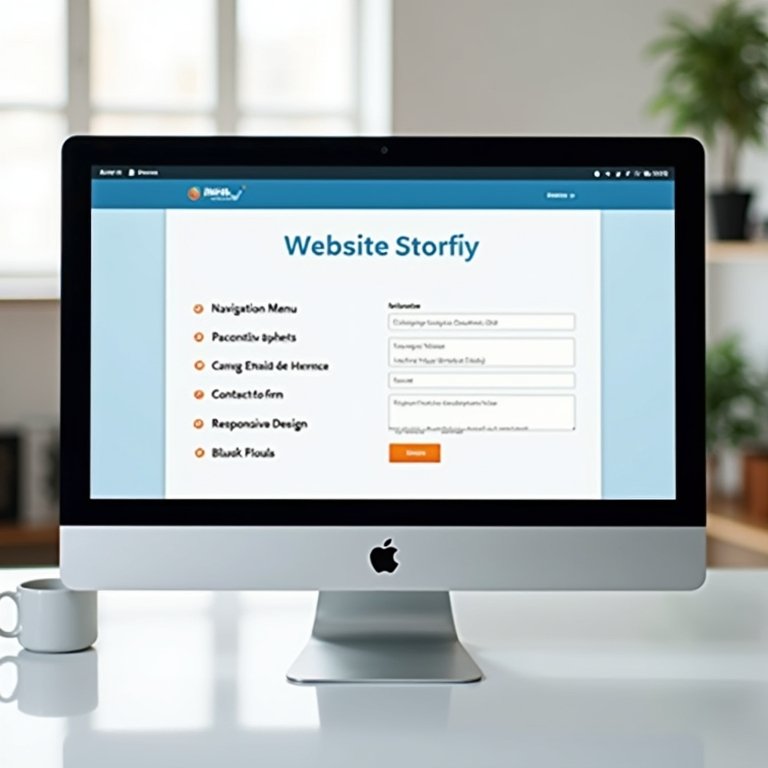
In today’s digital age, a well-designed website is crucial for any business or organization aiming to establish a strong online presence.
Essential features every website should have include intuitive navigation and a responsive design to ensure accessibility across all devices.
Contact forms are vital for facilitating communication between the business and its audience, while prominently displayed social media links help foster community engagement and brand loyalty.
Additionally, incorporating robust search functionality allows users to easily find the information they need, enhancing their overall experience.
These elements, combined with fast loading times and secure connections, create a seamless and trustworthy user journey that can significantly boost a website’s effectiveness.
Creating Content for Your Website

Importance of Quality Content
Well-crafted content not only attracts visitors but also keeps them coming back for more. It serves as a magnet, drawing in users through search engines and social media platforms by addressing their needs and interests with precision and relevance. Engaging content fosters a connection with the audience, encouraging interaction, sharing, and loyalty.
By providing value, whether through informative articles, entertaining videos, or insightful podcasts, quality content builds trust and authority, ultimately driving sustained traffic and enhancing user engagement across digital channels.
Types of Content to Include
In the dynamic landscape of digital content creation, a diverse array of content types can captivate and engage audiences.
Text remains a foundational element, offering detailed information and storytelling that can be easily consumed.
Images add a visual dimension, enhancing understanding and emotional connection.
Videos provide an immersive experience, combining audio and visual elements to convey messages powerfully.
Blogs offer a platform for in-depth exploration of topics, fostering community interaction through comments and shares.
By integrating these varied content types, creators can cater to different preferences and learning styles, ensuring a richer and more inclusive user experience.
Tips for Writing Engaging Content
To craft truly engaging content, it’s essential to first understand your audience’s needs, interests, and preferences.
This knowledge allows you to tailor your message in a way that resonates deeply with them.
Once you have a clear picture of who you’re writing for, focus on clarity and simplicity in your writing.
Avoid jargon and overly complex sentences that might alienate or confuse readers.
Instead, use straightforward language and a conversational tone to make your content accessible and relatable.
By combining audience insight with clear communication, you can create content that not only captures attention but also fosters connection and understanding.
Launching Your Website

Pre-launch Checklist
Launching your website is an exhilarating milestone, but before you hit that go live button, a meticulous pre-launch checklist is essential to ensure a seamless debut.
Begin by rigorously testing every link to guarantee smooth navigation for your visitors; broken links can quickly deter potential users.
Next, meticulously proofread all content to maintain professionalism and clarity—typos and errors can undermine credibility.
Ensure that all multimedia elements load correctly and that the site is optimized for both desktop and mobile devices.
Finally, verify that your analytics tools are set up to track visitor engagement from day one. With these final checks complete, you’re ready to unveil your digital presence with confidence and poise.
Promoting Your Website
Promoting your site effectively requires a blend of strategic social media marketing and foundational SEO practices.
Start by identifying your target audience and engaging them on platforms where they are most active, such as Instagram, Facebook, or LinkedIn.
Create compelling content that resonates with their interests and encourages sharing.
Simultaneously, optimize your website for search engines by incorporating relevant keywords, improving site speed, and ensuring mobile-friendliness.
Regularly update your content to keep it fresh and valuable, and consider leveraging tools like Google Analytics to track performance and refine your strategies.
By harmonizing these approaches, you can enhance visibility and drive more traffic to your site.
Conclusion
In conclusion, we’ve journeyed through the essential steps to build your first website, from selecting a domain name and choosing a reliable hosting provider to designing your layout and optimizing for search engines.
Each step is a building block towards creating an online presence that reflects your vision and goals. Now, it’s time to take action.
Embrace the tools and knowledge you’ve gained, and start crafting your digital space.
Remember, every great website began with a single click—let yours be the next success story in the vast world of the internet.
Call to Action
We want to hear from you! Your experiences and insights are invaluable to us and to the community we are building together.
Whether you have a story to share, a question that’s been on your mind, or a unique perspective on the topic at hand, we invite you to join the conversation in the comments section below.
Your contributions not only enrich our discussions but also help others who may be navigating similar paths. So don’t hesitate—jump in and let your voice be heard!